
Giant Chinese mollusks have been discovered in the Sverdlovsk water bodies.
The director of the Federal Research Center for Comprehensive Study of the Arctic of the Ural Branch of the Russian Academy of Sciences (FICCA) Ivan Bolotov told TASS that the giant bivalve mollusks Sinanodonta woodiana and Sinanodonta lauta have expanded their range in Russian water bodies. Their presence has been noted, including in the Sverdlovsk region.
— The spread of sinanodonts is active: we are encountering new populations in different regions. They are currently developing in the territories of the Moscow and Sverdlovsk regions, Tatarstan, Bashkortostan, Chuvashia, Perm Krai, Altai Krai, and other regions of Russia. We have traced a trend: from heated artificial water bodies, where the waters of thermal power plants are discharged, the invasive mollusks are moving to natural water bodies, — TASS quotes the specialist.
Sinanodonta woodiana originates from the Yangtze River basin, while Sinanodonta lauta comes from a Chinese tributary of the Amur, the Songhua River. The mollusks were introduced to Russia with fish stocking material from Kazakhstan, where they had previously arrived from China. Under favorable conditions, the mollusks can grow up to 25 centimeters in diameter, significantly exceeding the size of local species. This process may lead to species replacement, a decrease in biodiversity, disruption of food webs, and loss of ecosystem stability.
Другие Новости Екатеринбурга (ЕКБ166)
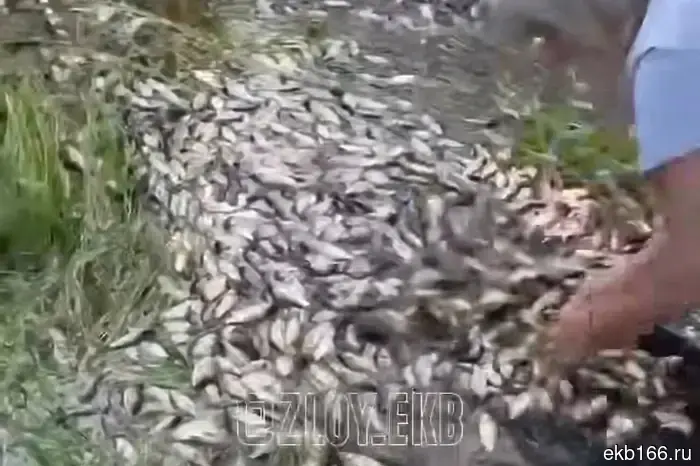
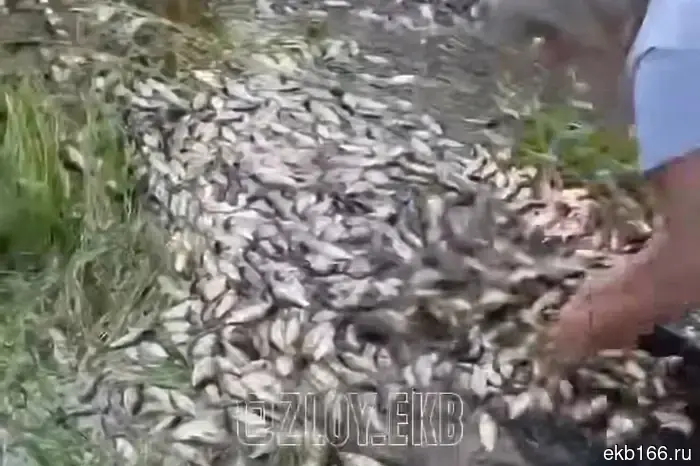 Sverdlovsk residents were warned about the danger of fish caught after the flood.
The Regional Center for Public Health and Medical Prevention warned that fish caught in puddles formed after flooding, as well as in water bodies contaminated by the flood, may be dangerous.
Sverdlovsk residents were warned about the danger of fish caught after the flood.
The Regional Center for Public Health and Medical Prevention warned that fish caught in puddles formed after flooding, as well as in water bodies contaminated by the flood, may be dangerous.
 Former director of "Oblkommunenergo" Dmitry Budanov surrendered to the Sverdlovsk police.
Former CEO of JSC "Oblkommunenergo" Dmitry Budanov, who was on the federal wanted list, has surrendered to law enforcement authorities. By court order, the detained top manager has been placed in custody in a pre-trial detention center.
Former director of "Oblkommunenergo" Dmitry Budanov surrendered to the Sverdlovsk police.
Former CEO of JSC "Oblkommunenergo" Dmitry Budanov, who was on the federal wanted list, has surrendered to law enforcement authorities. By court order, the detained top manager has been placed in custody in a pre-trial detention center.
 It became known which walls in Yekaterinburg will become art objects this year.
The International Street Art Festival "Stenography" officially opened its 17th season in Yekaterinburg. This season, the festival will maintain its usual formats while adding new directions.
It became known which walls in Yekaterinburg will become art objects this year.
The International Street Art Festival "Stenography" officially opened its 17th season in Yekaterinburg. This season, the festival will maintain its usual formats while adding new directions.
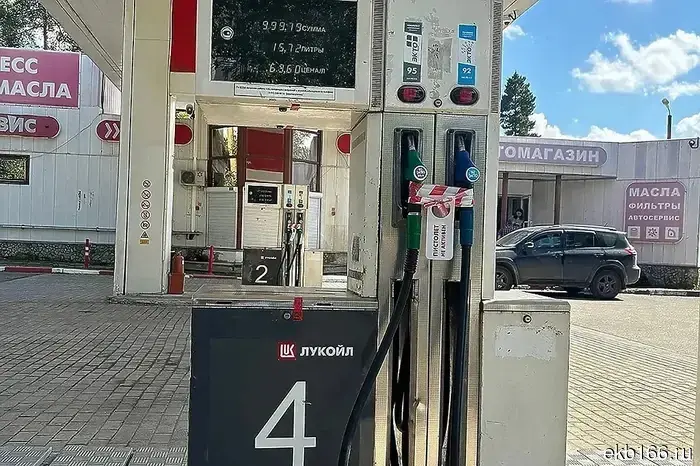 In the Sverdlovsk region, gasoline prices have risen again.
In the Sverdlovsk region, gasoline prices have increased by 1% over the past week. This is reported by Sverdlovskstat. Currently, the average price of AI-92 is 69.76 rubles, while AI-95 has risen to 74.04 rubles.
In the Sverdlovsk region, gasoline prices have risen again.
In the Sverdlovsk region, gasoline prices have increased by 1% over the past week. This is reported by Sverdlovskstat. Currently, the average price of AI-92 is 69.76 rubles, while AI-95 has risen to 74.04 rubles.
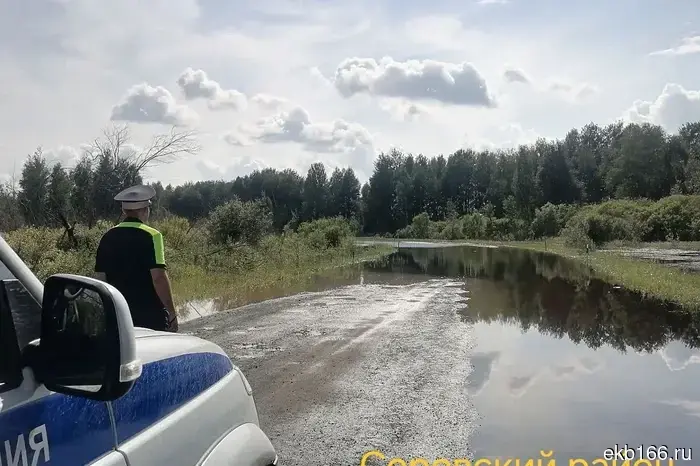 Due to the flood, several more roads in Sverdlovsk have been closed.
Due to flooding in some areas of roads in the Sverdlovsk region, new traffic restrictions have been introduced. This time, the water exceeded the permissible level in the Turinsky and Serovsky districts.
Due to the flood, several more roads in Sverdlovsk have been closed.
Due to flooding in some areas of roads in the Sverdlovsk region, new traffic restrictions have been introduced. This time, the water exceeded the permissible level in the Turinsky and Serovsky districts.
 Former director of "Oblkommunenergo" Dmitry Budanov surrendered to the Sverdlovsk police.
Former CEO of JSC "Oblkommunenergo" Dmitry Budanov, who was on the federal wanted list, surrendered to law enforcement authorities. By court order, the detained top manager has been placed in custody in a pre-trial detention center.
Former director of "Oblkommunenergo" Dmitry Budanov surrendered to the Sverdlovsk police.
Former CEO of JSC "Oblkommunenergo" Dmitry Budanov, who was on the federal wanted list, surrendered to law enforcement authorities. By court order, the detained top manager has been placed in custody in a pre-trial detention center.
Giant Chinese mollusks have been discovered in the Sverdlovsk water bodies.
The director of the Federal Research Center for Comprehensive Study of the Arctic of the Ural Branch of the Russian Academy of Sciences (FICCA) Ivan Bolotov told TASS that the giant bivalve mollusks Sinanodonta woodiana and Sinanodonta lauta have expanded their range in Russian water bodies.