
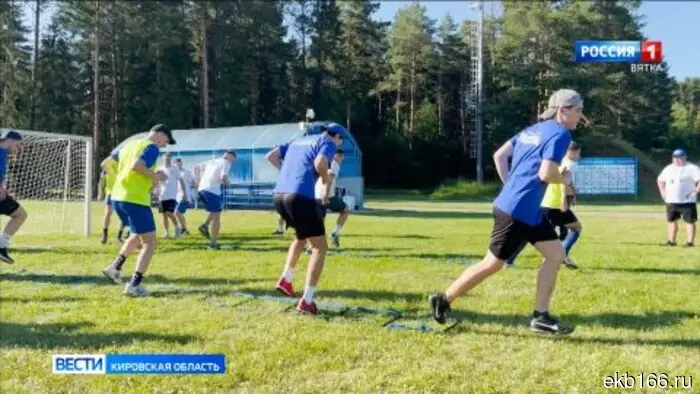
The forecaster explained why the summer in the Urals turned out to be so rainy.
The cause of prolonged rains in the Urals is a zone of low atmospheric pressure that has been lingering over the region since the end of May. This was reported by the author of the Telegram channel "Weather in Yekaterinburg," Alexey Pulin, in a conversation with "KP-Yekaterinburg."
According to him, the situation persists due to the constant arrival of cyclones that bring precipitation. At the same time, warm and humid air from the Caspian Sea is flowing into the region, making the atmosphere unstable and contributing to the development of downpours and thunderstorms.
At the same time, as Pulin noted, the abnormal heat in Europe and the rainy summer in the Urals are interconnected. Both phenomena are part of the overall global atmospheric circulation and the peculiarities of atmospheric pressure distribution.
— In Siberia, it is warm, in Europe, it is warm, and in between, in the Urals, it is cooler. There is a deficit of precipitation there, while we have an excess. However, next year the situation may well change to the opposite, the specialist explained.
According to Pulin, such prolonged and intense precipitation in the Sverdlovsk region was observed about ten years ago, but this summer could become record-breaking for the amount of precipitation in the entire history of meteorological observations.
The forecaster added that a slight respite is possible as early as next week. If the anticyclone forming over the Volga region and the southern part of European Russia spreads to the Urals, precipitation may temporarily cease. However, it is still too early to predict how long this period will last.
Другие Новости Екатеринбурга (ЕКБ166)
.webp) In Yekaterinburg, famous buildings will be restored (LIST)
The mayor of Yekaterinburg, Alexey Orlov, reported that as part of the preparations for the International Youth Festival, the restoration of the facades of 10 buildings is being carried out in the Ural capital, 9 of which are cultural heritage sites.
In Yekaterinburg, famous buildings will be restored (LIST)
The mayor of Yekaterinburg, Alexey Orlov, reported that as part of the preparations for the International Youth Festival, the restoration of the facades of 10 buildings is being carried out in the Ural capital, 9 of which are cultural heritage sites.
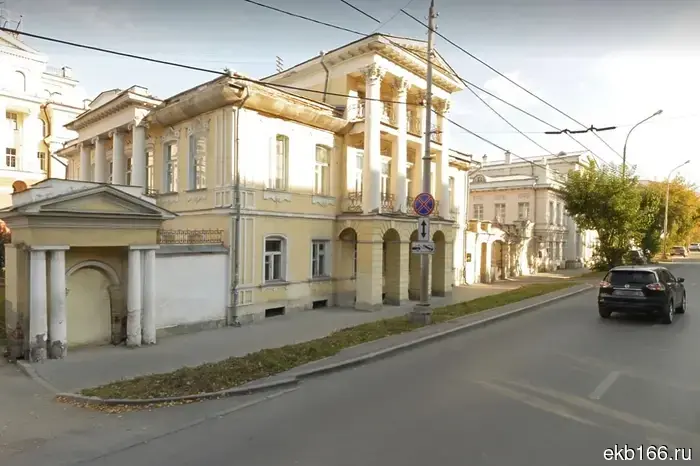 Six buses will change their route in the Academic area.
In Yekaterinburg, from July 17 to August 31, the traffic patterns of 6 buses will be changed on the section of Ryabinina and Academician Parin streets. Routes No. 46, 51, 52 in both directions will go along the streets: Wilhelm de Gennin - Academician Vavilov - Academician Landau, and then continue on their route.
Six buses will change their route in the Academic area.
In Yekaterinburg, from July 17 to August 31, the traffic patterns of 6 buses will be changed on the section of Ryabinina and Academician Parin streets. Routes No. 46, 51, 52 in both directions will go along the streets: Wilhelm de Gennin - Academician Vavilov - Academician Landau, and then continue on their route.
 Sverdlovsk doctors saved a 91-year-old woman who was nearly killed by the wind.
Doctors from the Krasnoufimsk District Hospital helped 91-year-old resident Lyudmila Fritzko recover after a hip fracture. Thanks to a high-tech hip replacement surgery, the pensioner was able to stand on her own the very next day after the procedure.
Sverdlovsk doctors saved a 91-year-old woman who was nearly killed by the wind.
Doctors from the Krasnoufimsk District Hospital helped 91-year-old resident Lyudmila Fritzko recover after a hip fracture. Thanks to a high-tech hip replacement surgery, the pensioner was able to stand on her own the very next day after the procedure.
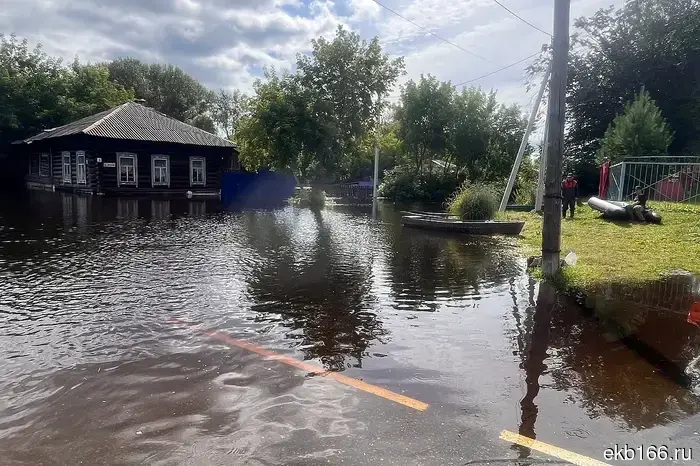 A state of emergency has been declared in a large city in the Sverdlovsk region.
The authorities of Irbit have introduced a municipal-level state of emergency due to the worsening flood situation. The decision was made at a meeting of the emergency situations commission with the participation of emergency services, law enforcement agencies, and city services.
A state of emergency has been declared in a large city in the Sverdlovsk region.
The authorities of Irbit have introduced a municipal-level state of emergency due to the worsening flood situation. The decision was made at a meeting of the emergency situations commission with the participation of emergency services, law enforcement agencies, and city services.
 How will City Day be celebrated in Yekaterinburg?
In Yekaterinburg, August 1 will be celebrated on a large scale as City Day. More than 20 festive events have been prepared for residents and guests of the Ural capital - from concerts and sports competitions to exhibitions, festivals, and a traditional fireworks display.
How will City Day be celebrated in Yekaterinburg?
In Yekaterinburg, August 1 will be celebrated on a large scale as City Day. More than 20 festive events have been prepared for residents and guests of the Ural capital - from concerts and sports competitions to exhibitions, festivals, and a traditional fireworks display.
The forecaster explained why the summer in the Urals turned out to be so rainy.
The reason for the prolonged rains in the Urals is a zone of low atmospheric pressure that has been lingering over the region since the end of May. This was reported by the author of the Telegram channel "Weather in Yekaterinburg," Alexey Pulin, in a conversation with "KP-Yekaterinburg."