

A woman from Yekaterinburg who tried to get back a sold car using the "Dolina scheme" lost her court case.
A resident of Yekaterinburg who fell victim to fraudsters operating under the "Dolina" scheme was unable to recover the sold car through the courts. The court found that the sale had been concluded of her own free will, despite psychological pressure from the perpetrators.
According to court documents reviewed by RIA Novosti, following instructions from unknown persons is not, by itself, proof that a transaction was made under the influence of deception. It is necessary to establish that the buyer knew or should have known about the fraudulent actions; however, no such evidence was presented.
According to the case materials, in the summer of 2025 the scammers, posing as employees of various agencies, obtained a four-digit code from an SMS sent to the woman. By frightening her with an alleged loan of 1.5 million rubles, they persuaded her to sell the car for 750,000 rubles. The woman handed the received money to an unknown person who subsequently promised to cancel the transaction. After the fraud was uncovered, she went to court, insisting that the buyer had acted in collusion with the fraudsters.
However, the buyer provided evidence of the seller’s voluntary consent to the transaction. As a result, the Kirov District Court of Yekaterinburg, and later the Sverdlovsk Regional Court, dismissed the plaintiff’s claim.
Другие Новости Екатеринбурга (ЕКБ166)
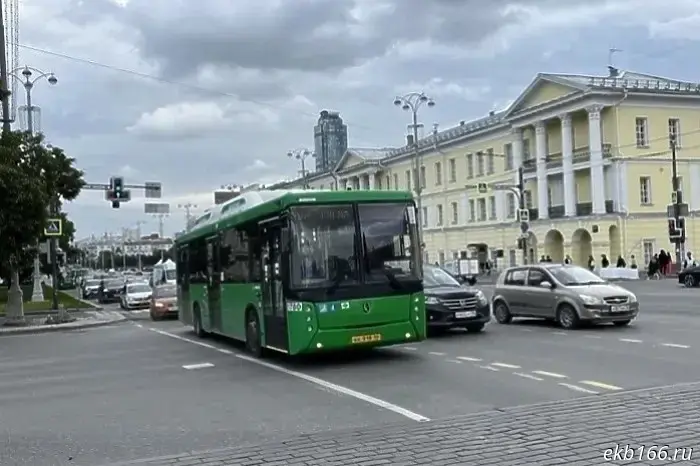 It has been revealed why fares for public transport in Yekaterinburg will increase next year.
In Yekaterinburg in 2026 there will no longer be a discount when paying for travel via SPB on public transport. Now, if you don't have a travel pass, the ticket price will be 42 rubles for everyone.
It has been revealed why fares for public transport in Yekaterinburg will increase next year.
In Yekaterinburg in 2026 there will no longer be a discount when paying for travel via SPB on public transport. Now, if you don't have a travel pass, the ticket price will be 42 rubles for everyone.
 Yekaterinburg medical institutions continue to refuse to perform abortions.
The private network of medical clinics "Harmony" has decided to stop performing abortions. This was announced on the air of the "Fourth Channel" by the director of the medical center, Leonid Khayutin.
Yekaterinburg medical institutions continue to refuse to perform abortions.
The private network of medical clinics "Harmony" has decided to stop performing abortions. This was announced on the air of the "Fourth Channel" by the director of the medical center, Leonid Khayutin.
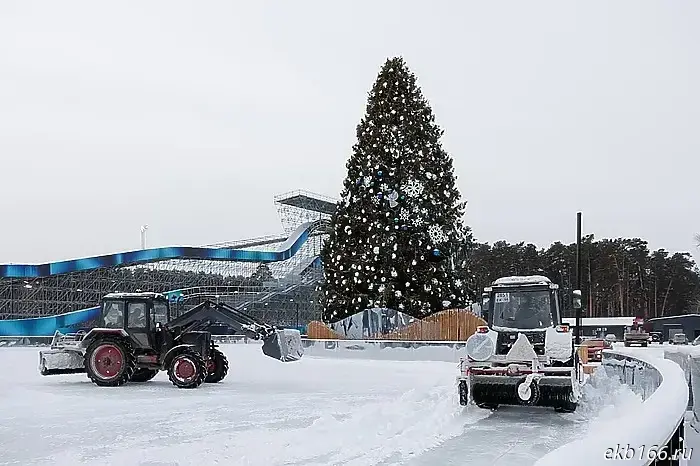 It has been revealed how much it will cost to slide down the tallest slide in Russia, which is located in Yekaterinburg.
Today, December 28, a new space for active winter entertainment, "RMK. Energy. Winter," will open in Yekaterinburg's Archangel Michael sports quarter.
It has been revealed how much it will cost to slide down the tallest slide in Russia, which is located in Yekaterinburg.
Today, December 28, a new space for active winter entertainment, "RMK. Energy. Winter," will open in Yekaterinburg's Archangel Michael sports quarter.
 Payments to families in Sverdlovsk Oblast will be increased.
From January 1, 2026, the amount of regional maternity capital in Sverdlovsk Oblast for families with a third or subsequent child will be increased to 182,493 rubles.
Payments to families in Sverdlovsk Oblast will be increased.
From January 1, 2026, the amount of regional maternity capital in Sverdlovsk Oblast for families with a third or subsequent child will be increased to 182,493 rubles.
-repairs-will-rise-in-Yekaterinburg.jpg) The fee for major (capital) repairs will rise in Yekaterinburg.
As of January 1, 2026, the fee for capital repairs in Yekaterinburg will increase. Specifically, the rate will rise from 17.48 to 18.81 rubles per square meter. The increase in contributions is due to higher wages and rising construction material costs.
The fee for major (capital) repairs will rise in Yekaterinburg.
As of January 1, 2026, the fee for capital repairs in Yekaterinburg will increase. Specifically, the rate will rise from 17.48 to 18.81 rubles per square meter. The increase in contributions is due to higher wages and rising construction material costs.
 A Sverdlovsk resident will be refunded the money he gave to scammers.
The Talitsky District Prosecutor’s Office examined a complaint from a resident of the settlement of Troitsky. The pensioner reported that he had fallen victim to scammers. It emerged that in January 2024 an unknown person, posing as a stock‑market investor, persuaded the man to transfer 340,000 rubles to someone else’s bank account.
A Sverdlovsk resident will be refunded the money he gave to scammers.
The Talitsky District Prosecutor’s Office examined a complaint from a resident of the settlement of Troitsky. The pensioner reported that he had fallen victim to scammers. It emerged that in January 2024 an unknown person, posing as a stock‑market investor, persuaded the man to transfer 340,000 rubles to someone else’s bank account.
A woman from Yekaterinburg who tried to get back a sold car using the "Dolina scheme" lost her court case.
A resident of Yekaterinburg who fell victim to fraudsters and acted according to the "Dolina scheme" was unable to recover the sold car through the courts. The court found that the sale had been concluded of her own free will, despite psychological pressure from the fraudsters.